So you’ve been staying home as much as possible, taking all of the necessary precautions to keep yourself and your family safe from the coronavirus.
You only leave the house when it’s absolutely necessary. You wear a mask in public. You have most everything delivered. You’ve done good.
But a few months have passed, and while locking yourself in your house is working, life isn’t stopping. Situations where you’ll need to interact with other people are cropping up.
What do you do?
Home inspection
John and I had to face this situation recently. We were coming up on a year of being in the new house and wanted to provide the builder with a list of potential fixes.
There were minor things we were aware of, such as a door not closing properly. But to uncover problems we could not see or were not qualified to detect, we had to hire a home inspector.
This meant someone would be in our home – in our personal space – for a couple of hours touching doorknobs, window treatments, and more.
There wasn’t much discussion about it. John and I knew it had to be done. If we thought we would live in this house forever, we may have chosen to accept whatever issues existed and forgo the home inspection.
But because we plan to sell the house in a few years, we knew it would be better to have the builder make the fixes now rather than hope the coronavirus would let up and pay for the fixes ourselves for a prospective buyer later.
Even if it meant allowing a stranger to come into the house at the height of the pandemic.
Establish safety guidelines
Shortly after I started working from home, I had a conversation with a co-worker who was still grocery-shopping in person. I asked her if she was scared. She said yes, but that she wears a mask, shops in the early hours when the store isn’t as crowded, and prays.
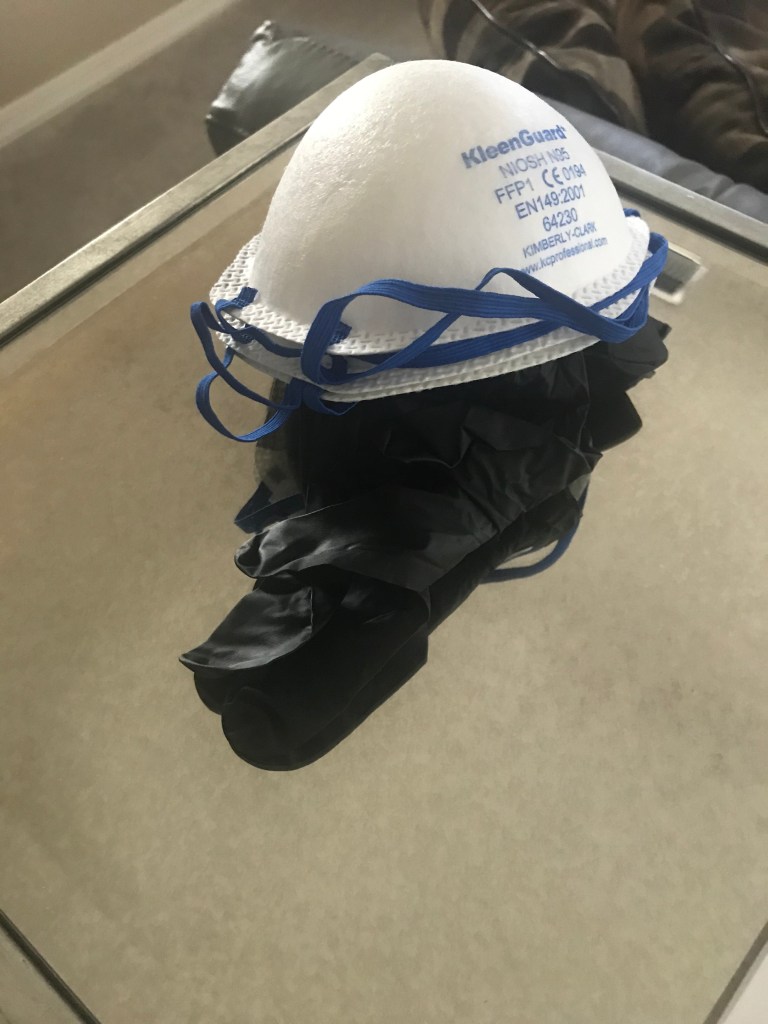
John made some phone calls to home inspectors and found one he liked. The home inspector agreed to wear a mask and gloves while in the house and practice social distancing. We set up the appointment.
Because I still work from home, I took the day off. I wanted to be available for any questions or concerns the home inspector might have. But I also wanted him to feel free to inspect the house thoroughly, and not short shrift my work area in order to keep his distance from me.
The process was painless. The inspector wore protection as agreed upon and kept a safe distance during conversations. He wrote up his report at home and e-mailed it to us later to limit the time he spent in our house.
Build up courage, again
The home inspection was behind us, but it was only the first step in the process. Now we had to submit the report to the builder, and meet with the contractor to go over the details.
This meant establishing safety guidelines again and opening our house to another stranger. I took another day off.
Similar to the home inspector, the contractor wore protection and kept a safe distance as he walked through the house, reviewing what the inspector had documented.
He even scheduled some of the exterior work to be done that day to get the ball rolling. For the interior items, the contractor established a schedule that would cause the least amount of disruption to our lives.
But he left it up to us.
Did we want as many tradesmen in the house at one time in order to get the work done quicker?
Or did we prefer limiting the number of tradesmen in the house at a time but schedule the repairs over the course of several days?
We chose the latter, even though it meant building up the courage again and again to open our house to strangers.
The contractor also promised to let the companies know to send their people out with masks and gloves. But as a commitment to our health and well-being, he would leave protection behind for anyone who showed up unprepared.
John had a stroke a few years back and falls into the high-risk category. Because we share a home, I too must take every precaution necessary so as not to pass anything on to him.
Open house
The first few days of repairs went off without a hitch. The tradesmen were punctual, professional and showed up with their own protection.
We had men fixing seals around doors, blowing insulation into the attic, patching and painting stucco, and filling in grout lines.
People were coming and going with John serving as the foreman. It was like that scene in the 1980’s comedy-drama Mr. Mom, but without the steamy shower.
One worker showed up without a mask, but was happy to oblige when John handed him one.
Ongoing work
And no I did not take additional time off. The room in which I work only needed one fix, which took about five minutes. It was quick and easy. Plus, I didn’t want to chance taking the day off and not have a tradesman show up.
In fact, one of the companies did have to cancel, which leaves a few repairs undone. But with the Covid-19 cases at an all-time-high right now, we took it as a sign to hold off.
And so we wait. And pray. Knowing we will have to work up the courage yet again to open our house to strangers to finish the work.
 Designing Goldilocks